

Originally published October 10, 2024
If you’re thinking about hiring a virtual assistant, finding the right fit starts with understanding what skills actually drive results.
Virtual assistants can support everything from administrative work to marketing, communication, and operations, helping your business stay organized, operate more efficiently, and achieve stronger outcomes.
In this blog, we’ll walk through the key skills to look for in your next virtual assistant so you can hire with more clarity and confidence.
What Is the Role of a Virtual Assistant?
The role of a virtual assistant has expanded well beyond basic task support.
Today’s VAs help teams stay organized, move faster, and improve how work gets done across the business. They contribute across differing job assignments, supporting areas like communication, data management, marketing, and operations.
The strongest virtual assistants do more than complete assigned work. They:
-
Work alongside AI and automation tools to streamline workflows and increase efficiency
-
Focus on outcomes by identifying ways to improve processes over time
-
Communicate proactively through clear updates, structured reporting, and anticipating needs
These qualities shape how core skills show up in day-to-day work, and they are often what separate a good assistant from a great one.
11 Top Skills a Real Estate Virtual Assistant Should Have
The most effective virtual assistants bring a well-rounded skill set and the ability to contribute across differing job assignments, with a focus on supporting outcomes, not just completing tasks. Here are the key skills to look for in your next remote assistant.
1. Decision-Making Skills
Real estate virtual assistants should be able to work with autonomy, prioritize tasks, and use out-of-the-box thinking to manage their workload. Due to time zones and differing scheduling, you might or might not be in contact with a remote assistant during your regular work hours. So a remote assistant with a high capacity for decision-making should be one of the leading indicators of a successful collaboration.
2. Attention to Detail
A significant part of a virtual assistant's role involves handling time- and date-sensitive tasks and multitasking (often across several companies). A top remote worker should be meticulous and clearly understand your systems and procedures.
3. Communication Skills
Strong communication is one of the biggest differentiators in a high-performing virtual assistant. It is not just about being responsive. It is about being proactive and clear.
The best VAs provide regular updates, deliver structured reporting, and anticipate needs before they become urgent. They can communicate effectively across channels, whether handling client interactions, managing emails, or coordinating with your team.
This level of communication helps keep work moving forward, reduces back-and-forth, and builds trust across differing job assignments.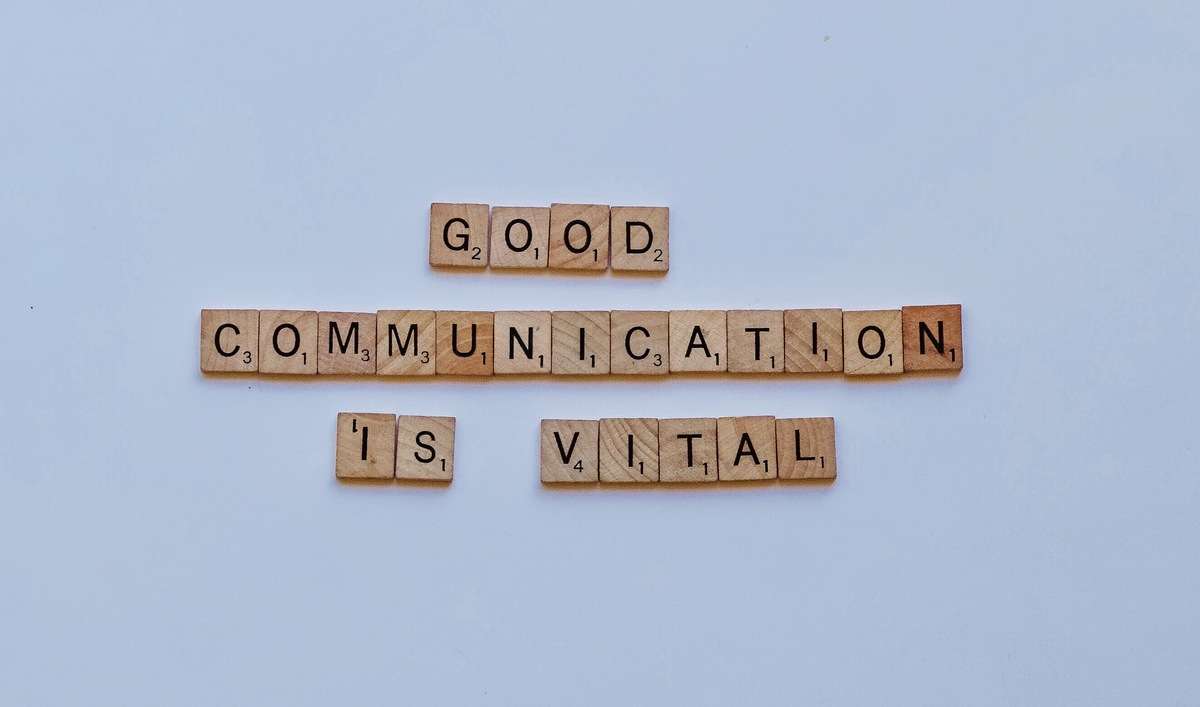
4. Passion for Learning New Things
The world of business and real estate is constantly shifting, driven by new developments in prop-tech and marketing. As a result, you'll want remote members who are capable, passionate about the industry, and keen to expand their skill set.
5. Computer Skills
The role of a virtual assistant is inherently technology-driven. Strong VAs are comfortable working across productivity and collaboration tools such as Google Workspace and Microsoft Office, and can quickly adapt to new platforms as needed.
6. AI Collaboration
Virtual assistants who can effectively work with AI tools are becoming increasingly valuable. Platforms like ChatGPT and other automation tools are now part of day-to-day operations, helping teams move faster and handle higher volumes of work.
A strong VA understands how to apply these tools to improve efficiency, streamline workflows, and support better outcomes. Whether it’s drafting communications, organizing data, or assisting with repetitive processes, the ability to collaborate with AI can significantly expand what a virtual assistant can accomplish.
As more businesses integrate AI into their operations, this skill is quickly becoming a key differentiator in hiring.
7. Social Media Management
For many real estate businesses, social media is a key part of the overall marketing strategy. Virtual assistants can support these efforts by scheduling content, managing cross-promotion, and assisting with content creation to maintain a consistent and active presence.
8. Reliability and Time Management
Strong virtual assistants are organized, dependable, and able to manage shifting priorities with consistency. In a fast-moving industry like real estate, deadlines change quickly, and tasks often require follow-through across multiple touchpoints. A reliable VA not only manages their time effectively but also ensures work is completed accurately and on schedule, giving you confidence that nothing falls through the cracks.
9. Project Management
Project management extends beyond managing time to ensuring deliverables are completed and work stays on track. Strong virtual assistants can take ownership of projects, coordinate across tasks, and support outcomes through structured follow-through. They should also be skilled in project management platforms and technologies.
10. Customer Service
Virtual assistants are often in customer- and client-facing roles, requiring them to handle sensitive information, manage high-pressure situations, and support a range of stakeholders. Strong customer service includes not only professionalism and courtesy, but also clear communication, proactive updates, and the ability to anticipate needs to keep interactions smooth and effective.
11. Self-Motivation
Self-motivation is critical in a remote environment, where virtual assistants are expected to manage their time, stay focused, and meet deadlines independently.
Strong VAs bring a high level of discipline and consistency to their work. They also go beyond task execution by taking ownership of outcomes. Instead of simply completing assigned work, they look for ways to improve processes, solve problems, and support better results across differing job assignments.
Find a Capable Remote Team Member Through VPM Solutions
One of the most effective ways to find a virtual assistant with the right skills is to use a platform like VPM, which helps you identify candidates based on experience, skill set, and role fit. VPM gives you access to thousands of virtual assistants trained in real estate and property management, so you can quickly connect with talent that aligns with your business needs.
By clearly defining your requirements, you can filter, compare, and engage with candidates who are ready to support your workflows and contribute across your business. A more structured approach to hiring doesn’t just save time—it helps you find a virtual assistant who can drive real results.
Ready to build your remote team? Create your free profile on VPM to start browsing qualified virtual assistants, connect with top candidates, and hire the right fit for your business.